











Search for:
Bengaluru to Coorg: A Perfect Monsoon Getaway

When the monsoon arrives in Karnataka, the road from Bengaluru to Coorg becomes one of the most refreshing journeys for travellers looking to escape the city. As the rain settles over the Western Ghats, the landscape changes into a lush green world of misty hills, coffee plantations, forest trails and flowing waterfalls. Coorg, officially known as Kodagu, offers the perfect combination of natural beauty, peaceful surroundings and memorable road-trip experiences.

Located several hours from Bengaluru, Coorg is far enough to feel like a genuine escape while still being convenient for a weekend trip. The monsoon adds an extra layer of charm to the destination, making the journey itself as enjoyable as the stay.

Why Visit Coorg During Monsoon?

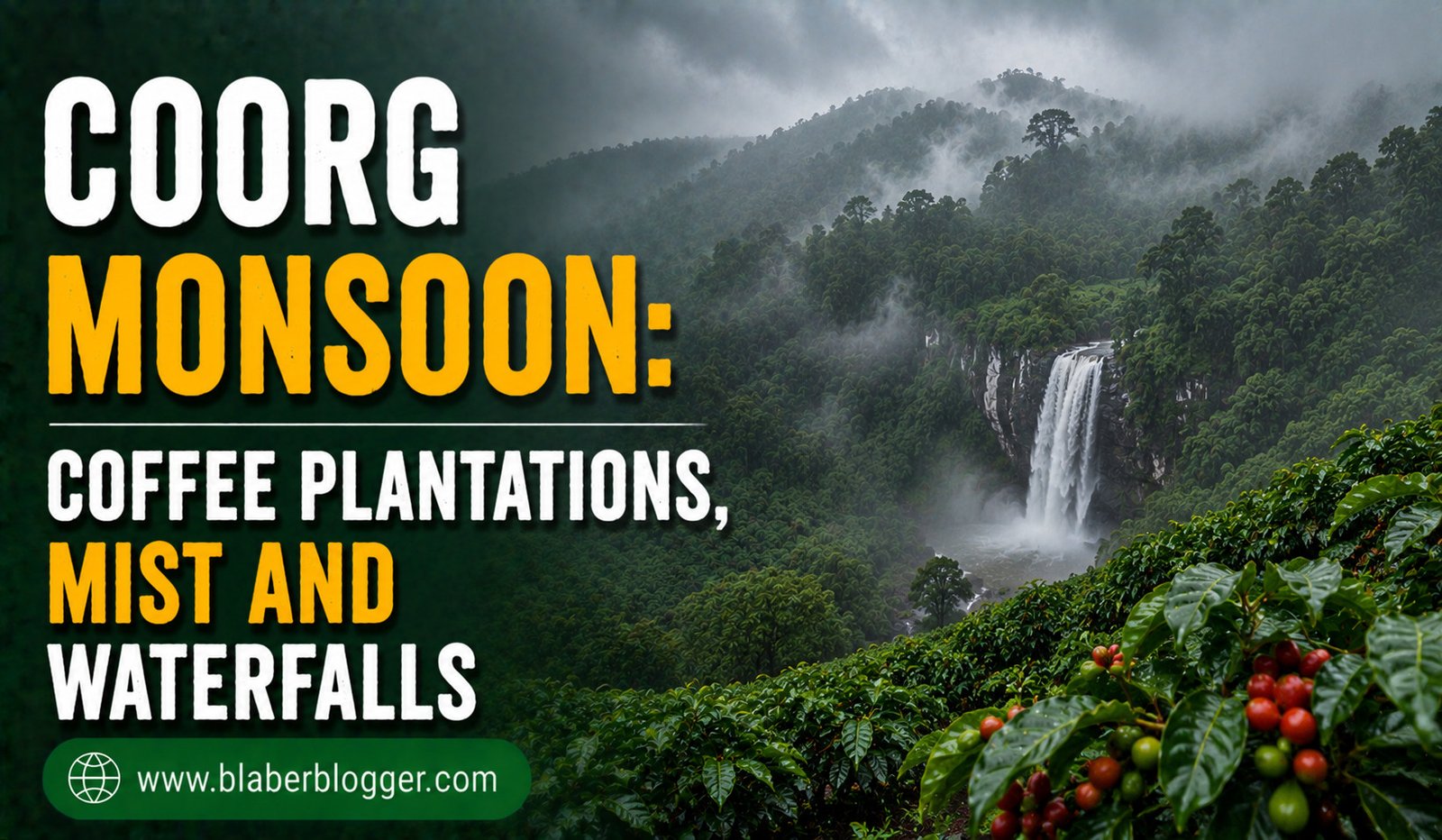
Coorg is beautiful throughout the year, but the rainy season gives the region a distinctive character. The hills become intensely green, coffee estates look fresh and vibrant, and streams begin flowing through the forests. Mist frequently settles over the mountains, creating a calm and atmospheric setting.

Rain also brings out the natural sounds of Coorg. Instead of the usual dry-season landscape, visitors can hear flowing water, birds and rainfall against the trees. A quiet morning surrounded by mist can be just as memorable as a visit to a major attraction.

The monsoon is especially appealing to travellers who enjoy scenic drives, photography, nature walks and cosy stays. However, heavy rain can affect road conditions, so travellers should plan with flexibility rather than trying to follow a rigid schedule.

Bengaluru to Coorg Distance and Route

The road distance between Bengaluru and Coorg is roughly 260 to 280 kilometres, depending on the route and the exact location in Coorg you choose as your destination. The drive generally takes around five to seven hours, depending on traffic, weather and breaks.

The journey passes through changing landscapes, beginning with the urban surroundings of Bengaluru and gradually moving into greener countryside and hill regions.

Popular Road Route

A commonly followed route passes through Mysuru and continues towards Hunsur, Kushalnagar and Madikeri. The drive combines highways with increasingly scenic roads as you approach the Kodagu region.

For a comfortable monsoon road trip, it is worth starting early. Bengaluru traffic can add significant time to the first part of the journey, while rain may slow down the roads later in the trip.

The journey can be planned around a few convenient stops:

  • Bengaluru to Mysuru for breakfast or coffee.
  • Mysuru to Hunsur through the countryside.
  • Hunsur to Kushalnagar as the landscape becomes greener.
  • Kushalnagar to Madikeri through the hills of Kodagu.

Rather than rushing through these sections, take short breaks and enjoy the changing scenery.

What Makes the Road Trip Special?

A Bengaluru to Coorg journey is not simply a transfer between two destinations. It gradually introduces you to the landscapes of southern Karnataka.

The first stretch can feel like a typical highway drive, but the scenery changes as you move away from Bengaluru. Fields, small towns and tree-lined roads replace dense urban development. Near Coorg, the terrain becomes more dramatic, with forested hills and plantations appearing around the road.

During monsoon, small waterfalls and streams may appear along the landscape. Mist can cover distant hills, while rain-washed roads pass through dense greenery.

For many travellers, these moments become some of the best memories of the trip.

Best Places to Visit in Coorg During Monsoon

Coorg offers a wide range of attractions, but a weekend itinerary does not need to include all of them. Select a few places based on the weather and your interests.

Abbey Falls

Abbey Falls is one of the well-known attractions around Madikeri. During the monsoon, the waterfall becomes more powerful as rainwater flows through the surrounding forest.

The walk towards the waterfall passes through lush vegetation, making the approach almost as enjoyable as the destination itself. The trail can become slippery during heavy rain, so visitors should wear footwear with a strong grip.

It is best to enjoy the waterfall from designated viewing areas rather than attempting to approach the rushing water.

Raja’s Seat

Raja’s Seat is a popular viewpoint in Madikeri and offers views over the surrounding valleys and hills. On clear days, the landscape can stretch into the distance, while monsoon weather often replaces long views with layers of mist.

Visiting around early morning or evening can create a peaceful atmosphere. If clouds completely block the view, simply waiting for a break in the mist can sometimes reveal the valley below.

Mandalpatti

Mandalpatti is one of the most scenic viewpoints in Coorg and is particularly attractive during monsoon. Located at a higher elevation, the area is often surrounded by clouds and mist.

The journey towards Mandalpatti is part of the experience. Depending on road conditions, travellers may need to use suitable local transportation for portions of the route.

When the clouds open, the surrounding mountain landscape can be spectacular. When they do not, the mist itself creates a unique atmosphere.

Dubare Elephant Camp

Dubare is located near the Cauvery River and is known for its elephant-related experiences. The surrounding forest and river landscape become greener during the monsoon.

Because rain can influence river conditions and outdoor activities, visitors should check local operating conditions before planning a visit. The area is better enjoyed without rushing, particularly when the weather is pleasant.

Experience Coorg’s Coffee Culture

Coorg is closely associated with coffee cultivation, and exploring a coffee plantation can provide a different perspective on the region.

Coffee estates spread across the hills, often mixed with shade trees and other vegetation. During the rainy season, these plantations look especially vibrant.

A plantation visit can help travellers understand how coffee is cultivated and processed while also offering a peaceful break from conventional sightseeing. Some properties also provide guided walks and opportunities to sample locally produced coffee.

For coffee lovers, sitting on a plantation veranda with a hot cup of freshly brewed coffee while rain falls outside can be one of the simplest and most satisfying experiences in Coorg.

Monsoon Food to Try in Coorg

The cool and rainy weather makes Coorg particularly enjoyable for food lovers. Local cuisine is hearty and flavourful, with dishes that suit the region’s climate and culture.

Travellers can look for traditional Kodava preparations along with South Indian favourites. Pork-based dishes are particularly associated with Kodava cuisine, while vegetarians can enjoy regional rice dishes, curries and snacks.

Some foods and drinks worth trying include:

  • Traditional Kodava-style curries.
  • Akki rotti with local accompaniments.
  • Pandi curry for those who eat pork.
  • Freshly brewed Coorg coffee.
  • Homemade chocolates and local fruit products.

Food is also an important part of the road-trip experience. Stopping at a local restaurant rather than relying entirely on familiar chain outlets can make the journey more memorable.

A Comfortable Two-Day Coorg Itinerary

A two-day trip from Bengaluru can cover several highlights without becoming excessively tiring.

DaySuggested Plan
Day 1Leave Bengaluru early, travel through Mysuru, reach Coorg, check in, visit Raja’s Seat and explore Madikeri
Day 2Visit Abbey Falls, explore a coffee estate, head towards Mandalpatti or another nearby attraction, then begin the return journey

Travellers with an additional day can slow down the schedule and spend more time at their accommodation or plantation. Coorg is one of those destinations where staying in a scenic property and doing less can sometimes be more enjoyable than constantly travelling between attractions.

Tips for a Safe Monsoon Road Trip

Rain can make the Bengaluru to Coorg drive beautiful but also more demanding. Roads around the hills can become slippery, and visibility may reduce during heavy showers or fog.

A few practical preparations can make the trip smoother:

  • Start early to make the most of daylight.
  • Carry waterproof footwear and rain protection.
  • Check weather and road conditions before departure.
  • Keep your vehicle’s tyres, brakes, lights and wipers in good condition.
  • Avoid driving quickly on unfamiliar winding roads.

It is also wise to avoid standing close to waterfalls, riverbanks or unstable slopes. Monsoon water levels can rise unexpectedly, especially after heavy rainfall.

Best Time to Plan the Trip

The monsoon months are ideal for travellers who specifically want greenery, waterfalls and misty landscapes. However, the intensity of rain can vary considerably.

If you prefer dramatic waterfalls and don’t mind frequent showers, the peak rainy period can be rewarding. If you want greener landscapes with somewhat more manageable outdoor conditions, travelling towards the beginning or end of the monsoon may be more comfortable.

The most important thing is to check the weather shortly before leaving rather than relying entirely on a fixed seasonal expectation.

Is Coorg Suitable for a Weekend Trip from Bengaluru?

Yes, Coorg is particularly well suited to a weekend getaway. The journey is long enough to feel like an escape but manageable with an early start and sensible planning.

Couples can enjoy plantation stays and quiet viewpoints, families can explore waterfalls and nature attractions, while groups of friends can turn the drive into a relaxed road-trip adventure.

The biggest mistake is trying to cover too many attractions. Coorg rewards slow travel. Spend time enjoying the surroundings, take breaks when the rain arrives and allow the destination to set the pace.

Frequently Asked Questions

1. How far is Coorg from Bengaluru?

Coorg is approximately 260 to 280 kilometres from Bengaluru by road, depending on the route and the specific part of Coorg you are visiting. The journey usually takes around five to seven hours, depending on traffic, weather and stops.

2. Is Coorg worth visiting during the monsoon?

Yes. Monsoon is one of the most beautiful times to experience Coorg if you enjoy green landscapes, waterfalls, misty hills and cool weather. Outdoor plans may need to be adjusted when rainfall becomes heavy.

3. What should I carry for a monsoon trip to Coorg?

Pack a waterproof jacket, umbrella, comfortable footwear with good grip, extra clothes and protection for electronic devices. A small day bag can also be useful when visiting waterfalls and viewpoints.

4. Can I travel from Bengaluru to Coorg in one day?

It is technically possible, but a same-day return would involve a long drive and leave limited time for sightseeing. Staying at least one night makes the trip much more comfortable and allows you to experience Coorg without rushing.

5. Which places should I visit in Coorg during a short trip?

For a short monsoon getaway, you can consider Abbey Falls, Raja’s Seat, Mandalpatti and a coffee plantation. The exact combination should depend on rainfall, road conditions and your interests.

Conclusion

A Bengaluru to Coorg monsoon getaway is more than a weekend escape; it is an opportunity to experience Karnataka’s Western Ghats at their greenest and most atmospheric. The journey introduces travellers to changing landscapes, while Coorg offers waterfalls, coffee plantations, viewpoints, forests and local flavours.

The beauty of the trip lies in its flexibility. You do not need to visit every attraction to enjoy Coorg. Sometimes the most memorable moments are sitting with a hot cup of coffee while rain falls outside, driving through mist-covered roads or watching clouds move across a green valley.

Plan your route carefully, leave Bengaluru early, drive patiently and keep your itinerary flexible. With the right approach, the journey from Bengaluru to Coorg can become one of the most rewarding monsoon road trips in Karnataka.

Best Places Near Pune for a One-Day Monsoon Trip

Monsoon changes the landscape around Pune in a remarkable way. The hills turn green, streams begin flowing through the valleys, waterfalls become more dramatic, and the air feels cooler and fresher. For people looking to escape the city without taking several days off, the rainy season offers plenty of opportunities for a memorable one-day trip.

The area around Pune is surrounded by the Sahyadri hills, making it ideal for short drives into nature. Whether you prefer waterfalls, forts, lakes, hill stations, scenic valleys, or peaceful countryside, there are destinations that can fit comfortably into a single day.

A well-planned monsoon road trip does not need to involve a packed itinerary. In fact, the best experiences often come from choosing one destination, starting early, enjoying the landscape at a relaxed pace, and returning to Pune before the roads become difficult in the evening.

Why Monsoon Is Perfect for Day Trips from Pune

The rainy season usually gives the countryside around Pune a completely different appearance. Brown hills become shades of green, small waterfalls emerge along the slopes, and clouds often hang low over the mountains. Even familiar roads can look new during this season.

Monsoon is particularly appealing for travellers who enjoy photography, short hikes, scenic drives and quiet moments surrounded by nature. The cooler temperatures also make outdoor exploration more comfortable than during the hotter months.

However, rain can also make trails slippery and roads challenging. A successful monsoon trip therefore depends on choosing the right destination, checking the weather before leaving and allowing enough time for the return journey.

1. Lonavala and Khandala

Lonavala is one of the most popular monsoon destinations near Pune, and for good reason. The hill station is surrounded by forest-covered mountains, waterfalls, valleys and dramatic rock formations.

During the rainy season, the drive from Pune towards Lonavala becomes particularly scenic. The landscape gradually changes from urban surroundings to green hills, and mist frequently covers the higher sections.

Khandala, located close to Lonavala, can easily be included in the same day trip. The region has several viewpoints where travellers can enjoy views of the valleys and surrounding hills.

What to Experience

Instead of attempting to visit every attraction, choose a few highlights according to the weather. Bhushi Dam, Rajmachi viewpoints, Khandala’s scenic areas and nearby waterfalls are popular choices during the rainy season.

The area can become crowded on weekends, so leaving Pune early is one of the easiest ways to make the trip more enjoyable.

2. Matheran

Matheran offers something different from the usual road-trip destination. Located in the Western Ghats, this hill station is known for its peaceful atmosphere and lack of conventional motor traffic within the main hill area.

The monsoon brings dense greenery and mist to the surrounding forests. Walking through the pathways can feel refreshing, particularly when clouds move between the trees and valleys.

A one-day visit requires an early start because the journey and exploration can take considerable time. Travellers should also be prepared for wet walking trails.

Why Visit Matheran During Monsoon?

Matheran is best suited to travellers who enjoy walking and nature rather than simply driving from one viewpoint to another. The combination of forest paths, viewpoints and cool weather makes it an attractive choice for a full-day escape.

Because rain can be heavy, comfortable footwear with good grip is essential.

3. Mulshi

For travellers looking for a quieter monsoon destination, Mulshi is an excellent choice. The Mulshi region is known for its reservoir, surrounding hills and peaceful countryside.

The landscape becomes especially attractive during the rainy season. Green slopes surround the water, clouds gather over the hills and small streams appear along the roads.

Unlike some of the busier hill stations, Mulshi can be approached as a relaxed scenic drive. You do not necessarily need a long sightseeing checklist. A few roadside stops, a meal at a local restaurant and time beside the reservoir can be enough for an enjoyable day.

Best Way to Enjoy Mulshi

The ideal Mulshi day trip is slow-paced. Start early, drive through the countryside, stop at safe viewpoints and spend time enjoying the natural surroundings. Avoid approaching the water or standing near unstable edges during heavy rain.

4. Tamhini Ghat

Tamhini Ghat is one of the most spectacular monsoon drives near Pune. The winding road passes through dense greenery, hills, streams and numerous seasonal waterfalls.

During peak monsoon, the landscape can look almost completely transformed. Water flows down rock faces, clouds settle over the mountains and the vegetation becomes intensely green.

The journey itself is the main attraction. Rather than rushing towards a particular destination, travellers can enjoy several scenic stops along the way.

Things to Keep in Mind

Tamhini’s roads can become slippery during heavy rain, and visibility may fall suddenly when fog or intense showers arrive. Avoid stopping in unsafe locations simply for photographs.

For a one-day trip, leave early, drive carefully and allow enough time for breaks before beginning the return journey.

5. Sinhagad Fort

Sinhagad Fort is one of the easiest options for people who want a combination of history, hiking and monsoon scenery.

The fort sits on a hill and offers expansive views of the surrounding landscape. During the rainy season, the slopes become green and the atmosphere is cooler, making the climb more enjoyable for many visitors.

The route can be busy on weekends, but an early morning start can help avoid the heaviest crowds.

What Makes Sinhagad Special?

Sinhagad is more than a viewpoint. The fort has historical significance and remnants that make the visit interesting even for travellers who are not serious hikers.

After exploring the fort, visitors can enjoy traditional snacks such as pithla-bhakri, zunka-bhakri and hot tea at local food stalls. The combination of mountain air and warm Maharashtrian food makes the experience especially enjoyable during monsoon.

6. Panshet

Panshet is another attractive option for a peaceful day around water and green hills. The reservoir and surrounding landscape become particularly picturesque during the rainy season.

It is suitable for travellers who want to escape busy tourist areas and spend more time enjoying the scenery.

A Panshet trip can be combined with a leisurely drive through the countryside. Depending on weather and local conditions, travellers can stop for photographs, enjoy a meal and explore the surrounding areas.

The destination is especially appealing for families and groups looking for a relaxed outing rather than a demanding trek.

7. Rajmachi

Rajmachi is a favourite among trekking enthusiasts, and monsoon gives the landscape a dramatic appearance. The route is surrounded by green hills, mist and flowing streams.

A Rajmachi visit requires more planning than destinations such as Lonavala or Mulshi because trekking conditions can become difficult during heavy rain. The trail can be muddy and slippery, so it is important to assess your fitness and weather conditions before starting.

For experienced trekkers, however, the combination of mountain scenery and monsoon atmosphere can make Rajmachi one of the most rewarding day adventures from Pune.

8. Pawna Lake

Pawna Lake is surrounded by hills and is particularly popular among people looking for scenic views and a peaceful break from city life.

During monsoon, the landscape around the lake becomes lush and dramatic. The hills appear greener, while clouds and mist create changing views throughout the day.

A day trip to Pawna can be kept simple. Drive towards the lake, find a safe location to enjoy the scenery, have a meal and spend some time relaxing before returning to Pune.

Travellers should remember that water levels and currents can change rapidly during the rainy season. Staying away from unsafe areas near the reservoir is essential.

9. Kamshet

Kamshet is known for its open landscapes, hills and pleasant countryside setting. It is another convenient destination for travellers who want a change of scenery without travelling too far from Pune.

During monsoon, the surrounding hills become green and the countryside looks particularly attractive. The area is also associated with paragliding, although weather conditions during the rainy season can affect whether flights operate.

For a simple day trip, Kamshet works well as a combination of scenic driving, local food and relaxed sightseeing.

Choosing the Right Monsoon Destination

Different destinations suit different types of travellers.

DestinationBest ForMonsoon Experience
LonavalaFamilies and groupsWaterfalls, hills and viewpoints
MulshiRelaxed travellersReservoir and green valleys
Tamhini GhatRoad-trip loversWaterfalls and mountain scenery
SinhagadHistory and hikingFort views and green slopes
Pawna LakePeaceful outingsLake and misty hills
RajmachiTrekkersForest trails and mountain landscapes
KamshetCountryside escapesGreen hills and open landscapes

Tips for a Safe One-Day Monsoon Trip

Rain can make a beautiful destination unpredictable, so preparation matters. Check the weather forecast before leaving and avoid planning a complicated itinerary when heavy rainfall is expected.

Keep the following essentials with you:

  • Waterproof jacket or umbrella
  • Comfortable footwear with good traction
  • Extra clothes and a small towel
  • Water, snacks and basic medicines
  • Power bank and waterproof protection for electronics

Start early whenever possible. An early departure gives you more time to explore and reduces the pressure of travelling back to Pune late at night.

Avoid standing beneath unstable rocks, crossing fast-flowing streams or getting too close to waterfalls. Seasonal waterfalls can look inviting but may become dangerous after sudden rainfall upstream.

How to Plan a Perfect One-Day Monsoon Getaway

The best day trips are usually not the ones with the longest list of attractions. Pick one main destination and perhaps one or two stops along the way.

For example, someone interested in waterfalls could choose Tamhini Ghat, while a traveller who wants history could select Sinhagad. If relaxation is the priority, Mulshi or Pawna Lake may be more suitable.

A practical day-trip structure could look like this:

  • Early morning: Leave Pune and have breakfast on the way.
  • Late morning to afternoon: Explore the main destination and enjoy lunch.
  • Afternoon: Visit one nearby attraction or scenic stop.
  • Evening: Begin the return journey before darkness and heavy traffic.

This approach leaves room for unexpected delays caused by rain or traffic.

Frequently Asked Questions

1. Which is the best monsoon destination near Pune for one day?

Lonavala, Tamhini Ghat, Mulshi and Sinhagad are among the most convenient choices. The best option depends on whether you prefer waterfalls, scenic drives, relaxed landscapes or hiking and history.

2. Is it safe to visit waterfalls near Pune during monsoon?

Waterfalls can become dangerous during heavy rain because water levels and currents may change suddenly. Always stay within designated or clearly safe viewing areas and avoid entering fast-flowing water.

3. What is the best time to start a one-day monsoon trip from Pune?

An early morning departure is generally the best approach. It provides more daylight for sightseeing, helps avoid some traffic and gives you additional time in case rain slows the journey.

4. Which destination is best for families?

Lonavala, Mulshi and Panshet are good choices for families because they can be enjoyed without requiring a demanding trek. Families should still choose activities according to the weather and road conditions.

5. Can these places be visited without a car?

Some destinations are accessible through public transport or taxis, but having a private vehicle provides greater flexibility for a one-day monsoon trip. It allows you to stop at scenic locations and adjust your schedule according to weather conditions.

Conclusion

A monsoon day trip from Pune can be as adventurous or relaxed as you want it to be. The surrounding hills offer everything from misty viewpoints and roaring waterfalls to historic forts, peaceful reservoirs and scenic roads.

Lonavala and Khandala are ideal for a classic hill-station experience, Tamhini Ghat is perfect for a scenic drive, Mulshi and Pawna offer tranquillity, while Sinhagad and Rajmachi provide opportunities for hiking and exploration.

The secret to enjoying these destinations is simple: start early, travel safely, avoid overcrowding your itinerary and let the monsoon landscape become part of the experience. With the right planning, even a single rainy day can turn into a refreshing escape from Pune.

Pune to Mahabaleshwar: A Scenic Monsoon Getaway

When the monsoon arrives in Maharashtra, the journey from Pune to Mahabaleshwar becomes more than a simple road trip. The landscape changes dramatically as dry hills turn emerald green, waterfalls appear along the winding roads, and mist settles over the Sahyadri ranges. Mahabaleshwar, located roughly 120 km from Pune, is one of the most inviting destinations for a refreshing weekend escape.

For travellers who enjoy cool weather, dramatic landscapes and relaxed drives, the monsoon is an especially beautiful time to make this journey. The route passes through Wai and Panchgani before climbing towards Mahabaleshwar, offering plenty of opportunities to stop, enjoy local food and admire the changing scenery.

Why Choose Mahabaleshwar for a Monsoon Trip?

Mahabaleshwar has a completely different personality during the rainy season. The hills become covered in dense greenery, streams fill with rainwater and waterfalls become much more impressive. Clouds frequently move across the valleys, creating a misty atmosphere that makes even familiar viewpoints look magical.

The monsoon season generally brings heavier rainfall between June and September. During this period, attractions such as Lingmala Waterfall are particularly impressive, while viewpoints around the hill station can be surrounded by clouds and fog.

The appeal is not limited to sightseeing. A monsoon trip to Mahabaleshwar is also about slowing down. Sitting beside a window with a cup of hot tea, listening to rainfall, taking a leisurely drive through the hills or stopping at a roadside stall for hot corn can become just as memorable as visiting a famous attraction.

Pune to Mahabaleshwar Route and Travel Time

The most commonly used road route takes travellers from Pune towards the Satara side, followed by Wai and Panchgani before reaching Mahabaleshwar. The overall distance is approximately 120 km, although the actual journey time can vary depending on traffic, weather and road conditions.

A typical journey can take around three to four hours in favourable conditions. During the monsoon, however, it is sensible to keep additional time because rain, fog and slower traffic can affect the drive through the ghats.

A Scenic Route to Follow

The journey can be broadly planned through:

  • Pune → NH-48 → Wai → Panchgani → Mahabaleshwar
  • Stop at Wai for a short break and local sightseeing.
  • Continue towards Panchgani for mountain scenery and refreshments.
  • Take the final hill road towards Mahabaleshwar.

Rather than treating the road as merely a way to reach the destination, make the drive part of your holiday. The landscape becomes increasingly scenic as you approach the Western Ghats, particularly after leaving the flatter highway sections behind.

Best Places to Experience During the Journey

One of the advantages of travelling by car is the freedom to make spontaneous stops. Wai is a particularly interesting break because of its traditional temples, riverfront setting and relaxed small-town atmosphere. It provides a welcome pause before the uphill section of the journey.

Panchgani is another natural stopover. The town is surrounded by hills and valleys and is closely associated with Mahabaleshwar as a popular hill destination. A short break here can include enjoying a warm snack, taking photographs or simply watching the clouds move across the mountains.

The monsoon also changes the appearance of the roads themselves. Small streams, wet rock faces and temporary waterfalls can appear along the route. However, travellers should avoid stopping at unsafe bends or approaching uncontrolled waterfalls simply for photographs.

Things to Do in Mahabaleshwar During Monsoon

Once you arrive, the best way to experience Mahabaleshwar is to combine waterfalls, viewpoints, relaxed attractions and local food rather than trying to cover every sightseeing spot in a single day.

1. Visit Lingmala Waterfall

Lingmala Waterfall is one of the highlights of a monsoon visit. Rainwater dramatically increases the flow, creating a powerful cascade surrounded by lush forest. The waterfall is particularly spectacular during the rainy season, when the surrounding landscape is at its greenest.

The approach involves walking through a natural setting, so comfortable footwear is important. Wet rocks can be extremely slippery, and visitors should stay within safe viewing areas rather than attempting to get close to strong currents.

2. Explore Venna Lake

Venna Lake offers a more relaxed experience. Surrounded by greenery, it is a popular place to spend some time away from the more demanding sightseeing spots.

If the weather is suitable, visitors can enjoy boating or simply walk around the area. During a light drizzle, the lake and surrounding hills can look particularly peaceful. If heavy rain or strong winds arrive, it is better to postpone boating and enjoy the area from a safe location.

3. Discover Mahabaleshwar’s Viewpoints

Mahabaleshwar is famous for its viewpoints, and the monsoon gives them a distinctive character. Arthur’s Seat, Wilson Point and other viewpoints can offer beautiful views when the clouds temporarily clear.

However, travellers should not expect clear panoramas every time. Fog is part of the monsoon experience, and a viewpoint may occasionally reveal nothing more than layers of mist. When the clouds move away, the sudden appearance of the valleys can make the wait worthwhile.

4. Spend Time at Mapro Garden

Mapro Garden is a convenient stop when rain interrupts outdoor plans. It is known for fruit-based products, snacks, desserts and a casual atmosphere that makes it suitable for families, couples and groups.

Monsoon is not the traditional peak season for fresh strawberries, so travellers should not plan their trip solely around strawberry picking. Instead, enjoy the range of fruit-based treats and use the stop as an opportunity to relax before continuing your sightseeing.

A Simple 2-Day Monsoon Itinerary

A two-day trip is enough to experience the major highlights without making the journey feel rushed.

DaySuggested Plan
Day 1Leave Pune early, stop at Wai, continue through Panchgani, check in, visit Venna Lake and enjoy an evening meal
Day 2Visit Lingmala Waterfall, explore selected viewpoints, stop at Mapro Garden and begin the return journey

The schedule can be adjusted according to rainfall. If heavy rain affects visibility, spend more time at indoor attractions and local cafés instead of trying to force an outdoor sightseeing plan.

What Makes the Road Trip Special?

The real charm of a Pune to Mahabaleshwar monsoon getaway lies in the transition between city and mountains. Within a few hours, the urban environment gives way to open countryside, winding roads and increasingly dramatic hills.

For many travellers, the roadside experiences become an important part of the trip. A steaming cup of chai, hot bhajiyas, roasted corn and a short stop beside a green valley can feel more memorable than ticking another attraction off a sightseeing list.

Photography enthusiasts will also find plenty of opportunities. Misty roads, dripping foliage, waterfalls and cloud-covered mountains create constantly changing scenes.

Monsoon Travel Tips for Pune to Mahabaleshwar

The beauty of the rainy season comes with a few practical considerations. Rainfall can make roads and walking paths slippery, while fog can reduce visibility considerably in the higher sections. Maharashtra Tourism also advises visitors to carry suitable rain gear and proper footwear during the monsoon.

Keep these simple points in mind:

  • Start the journey early and preferably drive through the ghats during daylight.
  • Carry a waterproof jacket, umbrella and footwear with good grip.
  • Check weather and road conditions before leaving Pune.
  • Avoid standing close to cliff edges, waterfalls or fast-flowing streams.
  • Keep some flexibility in your itinerary in case rain changes your plans.

Driving patiently is particularly important. The winding roads are beautiful, but monsoon conditions can make them unpredictable. A slower journey is far better than trying to reach the destination quickly.

What to Eat on a Monsoon Trip

A rainy trip to Mahabaleshwar is incomplete without enjoying comforting local food. Hot tea and coffee become especially appealing when the temperature drops, while snacks such as bhajiyas, roasted corn and spicy preparations are perfect companions for a cloudy afternoon.

Mahabaleshwar is also known for fruit-based products. Depending on the season, visitors can find jams, juices, syrups and other preparations made from locally grown produce.

For a traditional meal, try a Maharashtrian thali or other regional dishes. Food stops along the route can also turn into enjoyable breaks, particularly around Wai and Panchgani.

Is Pune to Mahabaleshwar Good for a Weekend?

Absolutely. The relatively short distance makes Mahabaleshwar particularly convenient for a weekend escape from Pune. A two-day plan provides enough time to enjoy the drive, explore several attractions and still have periods of relaxation.

The destination works well for different types of travellers. Couples can enjoy quiet drives and misty viewpoints, families can explore lakes and food attractions, while groups of friends can combine sightseeing with a relaxed stay surrounded by nature.

The key is not to over-schedule. Monsoon weather is unpredictable, and Mahabaleshwar is best enjoyed when you allow yourself time to stop and appreciate the surroundings.

Frequently Asked Questions

1. How far is Mahabaleshwar from Pune?

Mahabaleshwar is approximately 120 km from Pune by the commonly used road route. The journey generally takes around three to four hours, although monsoon traffic, fog and road conditions can increase the travel time.

2. Is monsoon a good time to visit Mahabaleshwar?

Yes. The rainy season transforms Mahabaleshwar into a lush green landscape with mist-covered hills and active waterfalls. It is an excellent choice for travellers who enjoy nature and cool, rainy weather.

3. What should I carry for a Mahabaleshwar monsoon trip?

Carry a rain jacket or umbrella, comfortable waterproof footwear, an extra pair of clothes, a power bank and a small waterproof bag for electronics. Good-grip footwear is especially useful because trails and pathways can become slippery during heavy rain.

4. Can I complete a Pune to Mahabaleshwar trip in two days?

Yes. A two-day trip is suitable for covering major attractions such as Lingmala Waterfall, Venna Lake and selected viewpoints while also allowing time for the drive. If you prefer a slower holiday, adding another day will make the experience more relaxed.

5. Is it safe to drive from Pune to Mahabaleshwar during the monsoon?

The journey can be enjoyable when weather and road conditions are suitable, but monsoon driving requires extra caution. Fog, slippery roads and reduced visibility can occur in the ghats. Drive during daylight, reduce speed in poor visibility and check local weather or road advisories before starting your trip.

Conclusion

A Pune to Mahabaleshwar road trip during the monsoon is an opportunity to experience the Western Ghats at their most atmospheric. The journey combines winding roads, green valleys, waterfalls, misty viewpoints and the relaxed charm of Maharashtra’s hill country.

Rather than rushing from one attraction to another, take time to enjoy the journey itself. Stop for chai, watch the rain roll across the hills, explore a waterfall from a safe distance and let the weather shape your day. With sensible planning and a flexible itinerary, Pune to Mahabaleshwar can become a memorable monsoon getaway filled with scenery, comfort and the unmistakable freshness of the Sahyadris.

Mumbai Monsoon Food Guide: What to Eat on Rainy Days

It is also a season of irresistible food. When rain starts falling across the city, the desire for something hot, crispy, spicy or comforting seems to appear naturally. A cup of steaming chai, a plate of bhajiyas or a freshly prepared vada pav can make even a gloomy afternoon feel special.

The city’s food culture becomes particularly enjoyable during the rainy season because many classic Mumbai snacks seem made for cool, damp weather. Street vendors, small cafés, Irani-style eateries and restaurants all offer different ways to enjoy a rainy day.

Whether you are a visitor discovering Mumbai for the first time or someone looking for new monsoon food experiences, this guide covers the dishes worth trying, where they fit into your rainy-day plans and how to enjoy them responsibly.

Why Mumbai Food Tastes Better During the Monsoon

There is something comforting about eating hot food while rain falls outside. During Mumbai’s monsoon, temperatures can feel cooler, and the sound of rain creates the perfect background for a warm snack.

Street food becomes especially tempting because many popular snacks are served immediately after cooking. The contrast between crisp fried food and hot tea is one of the simplest pleasures of the season.

The monsoon also encourages slower meals. Instead of rushing through lunch, people often look for a cosy café, roadside stall or neighbourhood restaurant where they can sit for a while and watch the rain.

Best Mumbai Monsoon Foods to Try

1. Vada Pav

No Mumbai food guide would be complete without vada pav. The snack combines a spiced potato fritter with a soft pav, chutneys and sometimes fried green chilli.

During the monsoon, a freshly fried vada pav is especially satisfying. The warm potato filling and spicy chutneys provide exactly the kind of bold flavour that works well on a rainy afternoon.

For the best experience, choose a busy outlet where food turnover is high. A freshly prepared snack is generally preferable to one that has been sitting out for a long time.

2. Bhajiya and Pakora

Bhajiyas are among the quintessential rainy-day foods in Mumbai. Slices of vegetables or other ingredients are coated in seasoned batter and fried until crisp.

Different places prepare them in their own style, but onion bhajiyas, potato bhajiyas and chilli bhajiyas are especially popular choices. Served hot with chutney and tea, they make an ideal afternoon snack.

The appeal is partly about texture. Crispy edges, a soft centre and spicy seasoning create a combination that feels particularly appropriate when the weather is cool and wet.

3. Cutting Chai

Mumbai’s cutting chai is less about quantity and more about the experience. Served in a small glass, the strong, sweet tea is perfect for a quick break between activities.

During the monsoon, chai becomes a social ritual. People gather at tea stalls, chat under shop awnings and watch traffic move through the rain.

Pairing cutting chai with a plate of bhajiyas or biscuits is a simple way to enjoy Mumbai’s everyday food culture without spending much time or money.

4. Misal Pav

For travellers who prefer something spicier, misal pav is an excellent rainy-day meal. It usually combines a spicy sprouted bean preparation with farsan, onions, coriander and pav.

The flavour can range from pleasantly spicy to seriously fiery, depending on where you eat. If you are not accustomed to strong chilli, ask about the spice level before ordering.

Misal pav works particularly well as a late breakfast or filling lunch when you want something substantial rather than a small snack.

5. Kanda Bhaji

Kanda bhaji, or onion fritters, deserves special attention during the monsoon. Thinly sliced onions are mixed with spiced batter and fried until crisp.

The sweetness of the onions balances the spices, while the crunchy texture makes the dish highly addictive. It is traditionally enjoyed with chutney or tea, making it an excellent choice for a rainy afternoon.

Freshness matters with fried snacks, so ordering them straight from the fryer can make a noticeable difference.

6. Sabudana Vada

Sabudana vada is another popular snack that works beautifully with rainy weather. Made primarily with tapioca pearls, potatoes and peanuts, it has a crisp exterior and softer centre.

It is often served with chutney or yoghurt, depending on the preparation. The contrast between the crunchy vada and cooling accompaniment makes it a satisfying snack at any time of day.

7. Hot Soup

Sometimes monsoon comfort food does not have to be traditional street food. A bowl of hot soup can be equally enjoyable, especially during a particularly wet evening.

Mumbai’s cafés and restaurants offer everything from simple vegetable soups to richer chicken and Asian-inspired varieties. Soup is particularly suitable when you want something warm without choosing fried food.

8. Piping Hot Corn

Roasted corn is another seasonal favourite associated with rainy evenings. A freshly roasted cob seasoned with salt, chilli and lemon offers a combination of smoky, tangy and spicy flavours.

Corn is particularly enjoyable near waterfront areas and busy public spaces, although visitors should choose hygienic vendors and avoid eating food that has been exposed to rainwater or poor storage conditions.

Mumbai Monsoon Food at a Glance

FoodBest TimeWhy It Works in Monsoon
Vada PavAfternoon or eveningHot, spicy and filling
BhajiyaEveningCrisp and comforting
Cutting ChaiAnytimeWarm and refreshing
Misal PavBreakfast or lunchSpicy and satisfying
Kanda BhajiEveningCrispy and flavourful
Sabudana VadaBreakfast or snackCrunchy and hearty
Hot SoupEveningWarm and soothing
Roasted CornEveningSmoky, tangy and seasonal

Best Places to Enjoy Monsoon Food in Mumbai

Street Food Areas

Mumbai’s street food culture is spread across neighbourhoods rather than limited to one location. Areas such as Dadar, Girgaon, Vile Parle, Andheri and Borivali have numerous local food stalls and small eateries.

The key is to look for places with a steady flow of customers and food being cooked regularly. Popularity often means ingredients are used quickly, which can be preferable when eating street food.

Irani Cafés and Traditional Eateries

Mumbai’s historic cafés offer a different way to enjoy rainy-day food. Instead of standing beside a street stall, you can sit indoors with a hot beverage and a filling snack while listening to the rain outside.

These establishments are particularly appealing when you want to slow down and enjoy the atmosphere rather than simply grab something to eat.

Cafés and Modern Restaurants

If you prefer comfortable seating, cafés across Bandra, Lower Parel, Powai, Fort and other neighbourhoods offer plenty of monsoon-friendly options.

A rainy afternoon can be a good excuse to try coffee, sandwiches, baked dishes, desserts or hot meals while staying indoors. This approach works particularly well when heavy rainfall makes outdoor sightseeing difficult.

What to Eat Near Mumbai’s Popular Monsoon Spots

Food can easily become part of a sightseeing itinerary. If you are spending the day around Marine Drive, for example, warming up with chai and a snack at a nearby café can be a pleasant way to end the outing.

Visitors exploring Bandra can combine a coastal walk with a café stop, while those visiting South Mumbai can explore the area’s historic eateries between sightseeing stops.

For travellers heading towards Lonavala or other nearby monsoon destinations, roadside tea and snacks can add to the road-trip experience. However, avoid eating at locations where food is exposed to standing water or visibly poor hygiene.

How to Enjoy Mumbai Street Food Safely During the Monsoon

Rainy weather can create additional hygiene challenges for food vendors. Waterlogging, humidity and improper food storage can increase the risk of contamination.

A few simple habits can help you enjoy local food more safely:

  • Prefer busy stalls where food is prepared fresh and regularly.
  • Choose freshly cooked items served hot.
  • Drink packaged or properly filtered water.
  • Avoid cut fruit, uncovered sauces and food exposed to rainwater.
  • Wash or sanitise your hands before eating.

You do not have to avoid street food during the monsoon. Instead, be selective about where and what you eat.

A Perfect Mumbai Monsoon Food Trail

If you want to turn food exploration into a full-day experience, start with misal pav or sabudana vada for breakfast. Later, take a break with cutting chai before exploring another part of the city.

In the afternoon, try vada pav or bhajiyas while the rain is falling. For dinner, move indoors and choose a warm meal or soup at a comfortable restaurant.

A simple food trail could include:

  • Morning: Misal pav and chai.
  • Afternoon: Vada pav or bhajiya.
  • Evening: Roasted corn and cutting chai.
  • Dinner: Hot soup or a comforting local meal.

Mumbai’s food culture is better enjoyed gradually, with time to appreciate the flavours and atmosphere.

Monsoon Desserts and Sweet Treats

Rainy-day food does not have to be entirely savoury. Mumbai’s bakeries, cafés and sweet shops offer plenty of options for finishing a meal.

Warm desserts, freshly baked cakes, brownies and traditional Indian sweets can all work well on a rainy evening. Lonavala chikki is also a popular treat to pick up if you are travelling outside Mumbai or returning from a nearby hill-station trip.

A cup of hot coffee or chai alongside a sweet snack can turn a simple afternoon break into a satisfying end to a rainy-day outing.

Frequently Asked Questions

1. What is the best food to eat in Mumbai during the monsoon?

Vada pav, bhajiyas, misal pav, kanda bhaji, sabudana vada and cutting chai are among the most popular choices. The best option depends on whether you want a snack, breakfast or full meal.

2. Is Mumbai street food safe during the rainy season?

Street food can be enjoyed during the monsoon, but hygiene deserves extra attention. Choose busy stalls, eat freshly cooked food and avoid uncovered ingredients or food exposed to standing water.

3. What should I eat with cutting chai?

Bhajiyas, biscuits, vada pav and other savoury snacks pair well with cutting chai. For a simple experience, hot onion bhajiyas and strong tea make a classic combination.

4. Which Mumbai food is best for spicy-food lovers?

Misal pav is an excellent choice if you enjoy spice. Its intensity varies between eateries, so ask for a suitable spice level if you are trying it for the first time.

5. Where can I enjoy Mumbai monsoon food?

You can find rainy-day favourites at street stalls, local eateries, traditional cafés and modern restaurants across Mumbai. Dadar, Bandra, Girgaon, Andheri and other busy neighbourhoods offer a wide range of choices.

Final Thoughts

Mumbai’s monsoon creates the perfect excuse to explore the city’s food culture. From a humble vada pav eaten under a shop awning to cutting chai enjoyed while watching the rain, some of the most memorable experiences are wonderfully simple.

The season is about contrast: hot food against cool rain, crisp bhajiyas with steaming tea and spicy misal enjoyed while clouds cover the city. You do not need an expensive restaurant or elaborate food tour to appreciate it.

Choose fresh food, pay attention to hygiene and explore at your own pace. When the next heavy shower arrives, instead of waiting impatiently for it to stop, find a warm place, order something delicious and let Mumbai’s monsoon become part of the meal.

Mumbai to Lonavala: A Perfect Monsoon Road Trip

Few road trips are as satisfying during the rainy season as the journey from Mumbai to Lonavala. As the city gradually disappears behind you, concrete landscapes give way to winding roads, green hills, misty valleys and seasonal waterfalls. The monsoon transforms the route into a refreshing escape, making Lonavala one of the most popular weekend destinations for travellers from Mumbai.

The journey is not only about reaching Lonavala. During the rainy season, the drive itself becomes part of the adventure. Clouds gather over the Sahyadri ranges, roadside vegetation turns vibrant green and waterfalls appear along the hills. With a little planning, the Mumbai to Lonavala road trip can become an enjoyable one-day outing or a relaxed weekend getaway.

Whether you are travelling with friends, family or a partner, this route offers plenty of opportunities to stop, explore and enjoy the monsoon atmosphere.

Why Choose Lonavala for a Monsoon Road Trip?

Lonavala is particularly attractive during the monsoon because its surrounding landscape changes dramatically. The dry hills of the warmer months become covered in greenery, while streams and waterfalls become more visible after regular rainfall.

The destination also offers a comfortable combination of nature and sightseeing. You can spend the morning exploring viewpoints, visit historic caves in the afternoon and end the day with hot snacks while watching the rain.

Another advantage is accessibility. Lonavala is close enough to Mumbai for a day trip, yet far enough to provide a genuine break from the city’s busy environment. The combination makes it especially popular for spontaneous weekend drives.

Mumbai to Lonavala Road Trip: At a Glance

Travel DetailApproximate Information
Starting PointMumbai
DestinationLonavala
Approximate Road DistanceAround 80–100 km, depending on the route
Ideal SeasonJune to September
Best ForCouples, families, friends and nature lovers
Recommended Duration1 day or 1 weekend
Main AttractionsViewpoints, waterfalls, caves and lakes

Travel time can vary significantly depending on your starting point in Mumbai, traffic, road conditions and rainfall. During weekends and heavy monsoon periods, it is sensible to allow extra time.

Best Time to Start the Road Trip

For a monsoon road trip, an early morning departure is usually the most comfortable option. Mumbai’s weekend traffic can become heavy, and leaving early gives you more time to explore Lonavala before evening.

An early start also creates a better chance of enjoying quieter roads and scenic conditions. As you approach the Western Ghats, the landscape becomes increasingly dramatic, especially when clouds settle over the hills.

Avoid treating the drive as a race. Monsoon roads can be slippery, and visibility may drop quickly during intense showers. The goal is to enjoy the journey safely rather than reach the destination as quickly as possible.

The Journey From Mumbai to Lonavala

The drive gradually changes character as you move away from Mumbai. The initial stretch is dominated by urban development and busy traffic, but the landscape becomes more open as you approach the hills.

Once you get closer to the Lonavala-Khandala region, the monsoon scenery becomes the highlight. Green slopes, rocky cliffs, mist and waterfalls appear around the route.

This is the part of the journey where it is tempting to stop frequently for photographs. However, choose stopping points carefully. Pull over only in safe, designated areas and avoid stopping on narrow shoulders or blind curves.

Top Monsoon Attractions to Explore in Lonavala

1. Tiger’s Leap

Tiger’s Leap is one of the most recognizable viewpoints around Lonavala. During the monsoon, the surrounding valleys become lush and misty, creating a spectacular landscape.

On cloudy days, the hills can appear and disappear behind moving fog, giving the viewpoint a constantly changing appearance. It is particularly enjoyable for photography, although visibility may be limited during heavy rain.

2. Bhushi Dam

Bhushi Dam is one of the places most closely associated with the Lonavala monsoon experience. Rainwater flowing through the rocky landscape creates a lively atmosphere, attracting large numbers of visitors during the season.

Because water levels and currents can change quickly, visitors should follow local restrictions and avoid entering dangerous sections. During particularly heavy rainfall, access may also be restricted.

Rather than focusing only on getting into the water, take time to appreciate the surrounding greenery and the sound of the flowing rainwater.

3. Kune Falls

Kune Falls is another beautiful monsoon attraction near Lonavala. Surrounded by green hills, the waterfall becomes especially impressive during periods of sustained rainfall.

As with any monsoon waterfall, however, conditions can become slippery, and visitors should avoid approaching unsafe edges or restricted areas.

4. Karla Caves

If you want to add history to your road trip, Karla Caves are an excellent stop. The ancient rock-cut caves provide a contrast to the green monsoon scenery outside.

The journey to the caves also offers views of the surrounding hills, making the attraction worthwhile for travellers interested in both history and nature.

5. Bhaja Caves

Bhaja Caves provide another opportunity to combine heritage with a monsoon landscape. The ancient rock-cut complex is surrounded by hills that become particularly green during the rainy season.

The approach involves walking and climbing, so comfortable footwear with a good grip is recommended during wet weather.

What to Eat on a Lonavala Monsoon Trip

A monsoon road trip feels incomplete without enjoying some warm local snacks. Lonavala is famous for its chikki, a traditional sweet that makes an easy travel snack and a popular souvenir.

Rainy weather also creates the perfect excuse to stop for hot tea, coffee, bhajiyas, corn and other comfort foods. Small food stalls and restaurants around the region provide plenty of opportunities to take a break during your sightseeing.

Food should not become an afterthought on the trip. A relaxed meal overlooking the green hills can be just as enjoyable as visiting another attraction.

A Simple One-Day Lonavala Road Trip Plan

A practical itinerary can begin with an early morning departure from Mumbai. Stop for breakfast along the way and continue towards Lonavala once the traffic begins to ease.

Spend the late morning exploring one or two major viewpoints before taking a break for lunch. The afternoon can be reserved for attractions such as Karla Caves, Bhaja Caves or Kune Falls, depending on weather and accessibility.

Begin the return journey with enough time to avoid driving late into the night in heavy rain.

A one-day trip should not attempt to cover every attraction. Choosing three or four places is usually more enjoyable than spending the entire day rushing between stops.

Weekend Option: Stay Overnight in Lonavala

If you have more time, an overnight stay makes the journey much more relaxed. Leave Mumbai on Saturday morning and spend the afternoon exploring the hills and viewpoints.

After sunset, enjoy a leisurely dinner and take advantage of the cooler weather. The following morning can be used for a relaxed breakfast followed by one or two nearby attractions before returning to Mumbai.

A weekend trip is particularly useful during the monsoon because heavy rainfall can slow down travel. Having extra time means you do not need to worry about squeezing every activity into a single day.

What to Carry for a Monsoon Road Trip

Packing for a rainy-season drive is relatively simple, but a few essentials can make the trip considerably more comfortable:

  • Waterproof bags for phones, cameras and important documents.
  • Raincoats or compact umbrellas for outdoor stops.
  • Comfortable shoes with good grip.
  • Extra clothes and towels.
  • Drinking water, snacks and basic personal medicines.

It is also worth carrying a power bank, especially if you plan to use your phone for navigation and photography throughout the day.

Monsoon Driving Tips From Mumbai to Lonavala

Rain can make driving conditions unpredictable, particularly on winding mountain roads. Before starting the trip, check the weather forecast and road conditions.

Keep your speed moderate, maintain a safe distance from other vehicles and use headlights when visibility becomes poor. Avoid sudden braking on wet roads and be particularly cautious around sharp turns.

A few simple precautions are important:

  • Check tyres, brakes, wipers and lights before leaving.
  • Keep navigation available but avoid using your phone while driving.
  • Do not stop on dangerous road shoulders for photographs.
  • Avoid flooded roads and fast-flowing streams.
  • Follow local instructions around waterfalls, dams and restricted areas.

The monsoon is beautiful, but it deserves respect. If weather conditions become severe, changing your itinerary is always better than taking unnecessary risks.

Best Experiences Along the Route

The Mumbai to Lonavala road trip is not only about sightseeing. Some of the most memorable moments can happen between destinations.

Watching clouds roll over the mountains, stopping for tea beside a scenic stretch of road, hearing rain hit the car roof or discovering a small roadside food stall can become part of the experience.

If you are travelling with friends, create time for conversation rather than filling every moment with activities. Couples can enjoy scenic stops and quiet meals, while families may prefer shorter walks and easily accessible attractions.

The flexibility of a road trip is its biggest advantage. You can adjust your route according to the weather and your interests.

Frequently Asked Questions

1. How far is Lonavala from Mumbai by road?

Lonavala is roughly 80–100 kilometres from Mumbai by road, depending on the starting point and route. Actual travel time can vary considerably because of traffic, weekend congestion and monsoon conditions.

2. Is Mumbai to Lonavala a good monsoon road trip?

Yes. The route becomes particularly scenic during the rainy season, with green hills, mist, waterfalls and cloudy landscapes. However, drivers should be prepared for slippery roads and reduced visibility.

3. Can Lonavala be covered in one day from Mumbai?

Yes, a one-day trip is possible if you leave early and choose a limited number of attractions. Lonavala, however, is also worth exploring at a slower pace with an overnight stay.

4. Which places should I visit in Lonavala during the monsoon?

Popular options include Tiger’s Leap, Bhushi Dam, Kune Falls, Karla Caves and Bhaja Caves. Choose attractions according to weather, crowd levels and current access conditions.

5. What should I avoid during a Lonavala monsoon trip?

Avoid entering fast-flowing water, climbing slippery rocks near waterfalls and stopping vehicles in unsafe locations. During very heavy rain, some attractions may be restricted, so always follow local safety instructions.

Final Thoughts

A Mumbai to Lonavala monsoon road trip is an ideal way to escape the city’s busy routine without planning an elaborate holiday. The journey offers a satisfying mix of scenic roads, green mountains, waterfalls, historic attractions and delicious rainy-season food.

The best trips are not necessarily the ones that cover the most places. Give yourself time to enjoy the drive, stop safely for the views and let the weather set the pace.

With an early start, sensible planning and a flexible itinerary, the road from Mumbai to Lonavala can become one of the most enjoyable monsoon experiences in Maharashtra.